
Commercial Refrigeration for Supermarkets & Restaurants
Introduction
Modern supermarkets and restaurants rely heavily on commercial refrigeration systems to preserve food quality, ensure food safety, and comply with health regulations. Whether you operate a restaurant, supermarket, bakery, or central kitchen, choosing the right refrigeration solution directly impacts operational efficiency, product preservation, and customer satisfaction.
In Saudi Arabia, where high ambient temperatures and growing demand for fresh and frozen foods are common, advanced commercial refrigeration systems have become essential for maintaining business continuity and maximizing performance.
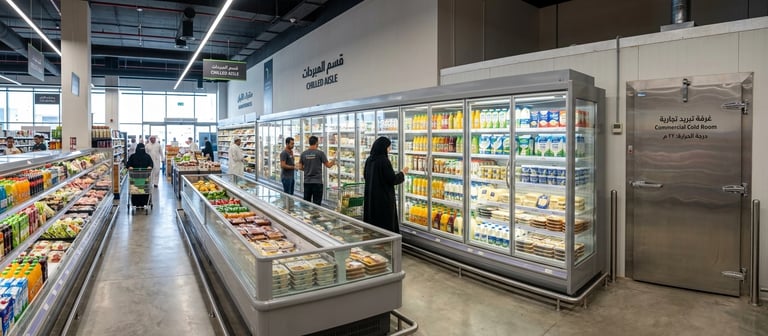
The Importance of Commercial Refrigeration Systems
Commercial refrigeration plays a critical role in:
- Preserving food safety.
- Extending product shelf life.
- Reducing food waste.
- Improving energy efficiency.
- Meeting health and safety regulations.
- Enhancing product presentation.
Even minor temperature fluctuations can result in product spoilage and significant financial losses, making reliable refrigeration equipment a vital investment.
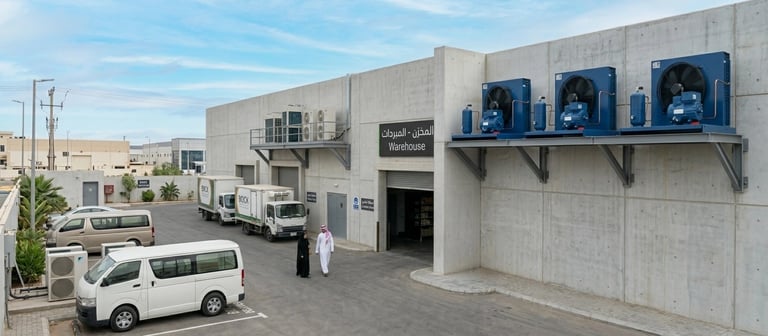
Types of Commercial Refrigeration Systems
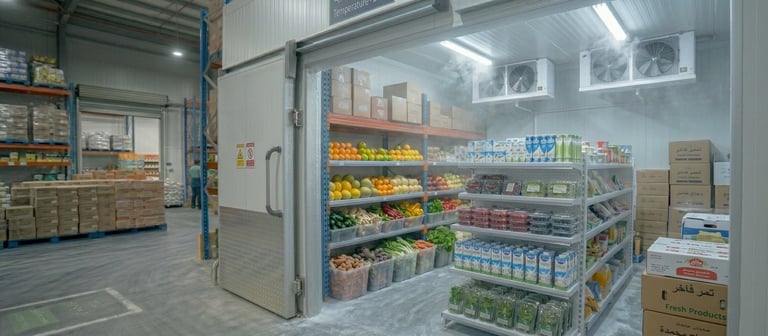
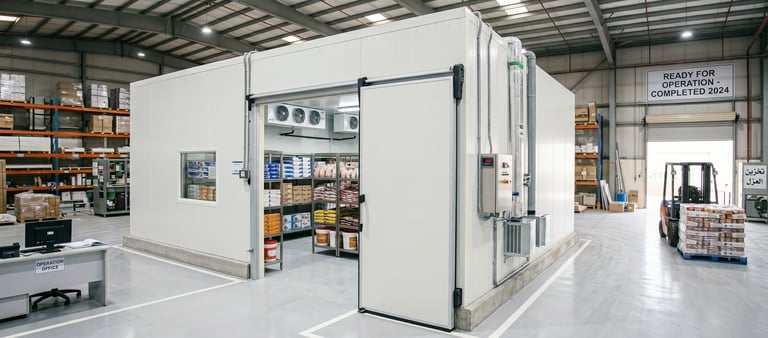
Cold rooms provide controlled storage environments for:
- Fresh meat
- Dairy products
- Fruits and vegetables
- Beverages
These facilities maintain stable temperatures to preserve product quality and freshness.
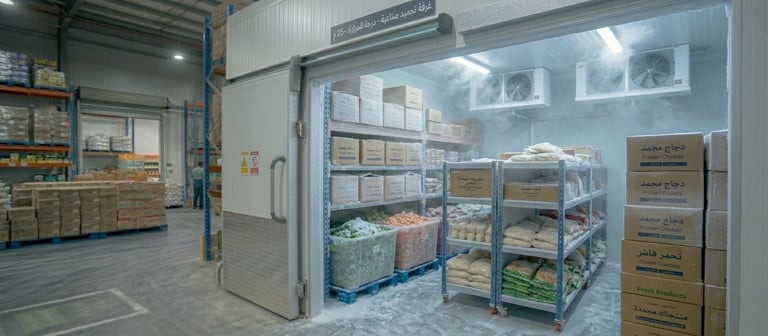
Freezer rooms are designed for long-term storage of frozen products such as:
- Frozen meat
- Seafood
- Packaged frozen foods
They maintain low temperatures that ensure product safety and quality.
Used in supermarkets and retail environments to showcase products while maintaining optimal storage temperatures.
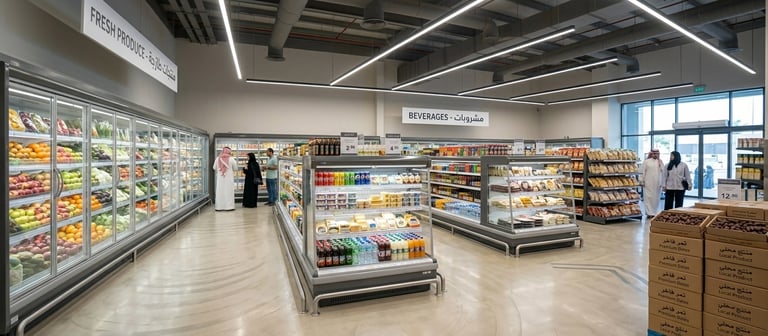
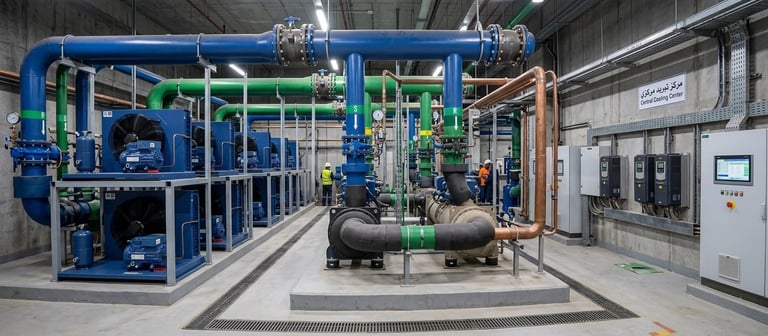
Large supermarkets and restaurant chains often utilize centralized refrigeration systems to efficiently manage multiple refrigeration units from a single platform.
Cold Rooms
Freezer Rooms
Commercial Display Refrigerators
Central Refrigeration Systems
Energy Efficiency and Operating Cost Reduction
Energy efficiency is one of the most important factors when
selecting modern refrigeration systems.
Advanced technologies include:
- High-efficiency compressors.
- Smart control systems.
- Advanced evaporators and condensers.
- Automatic defrost technology.
- Remote temperature monitoring.
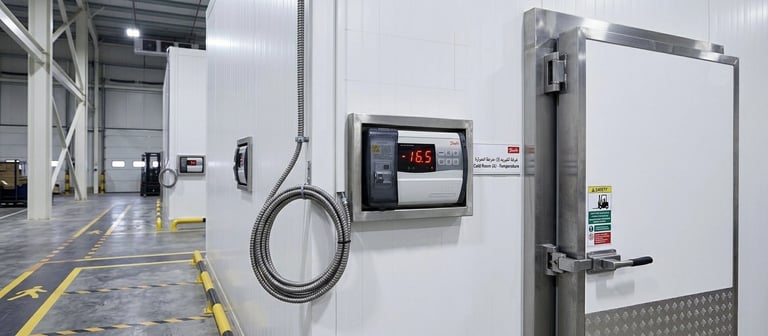
These solutions help reduce electricity consumption and lower long-term operating costs.
Choosing the Right Equipment
The performance of any refrigeration system depends on the quality of its components, including:
- Copeland compressors.
- Friga-Bohn evaporators.
- Commercial condensing units. Copeland | Bock
- High-performance insulated panels.
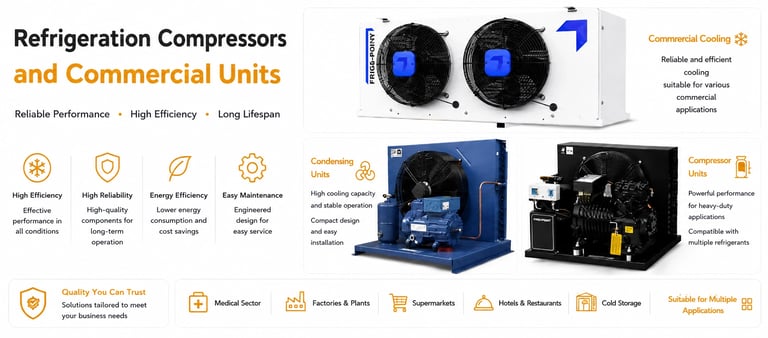
Selecting reliable equipment increases system lifespan, reduces downtime, and improves overall performance.
Design, Installation & Maintenance Services
Successful refrigeration projects require careful planning and professional execution.
- Professional services typically include:
- Cold room design.
- Freezer room design.
- Equipment selection.
- Installation and commissioning.
- Preventive maintenance.
- Emergency support services.
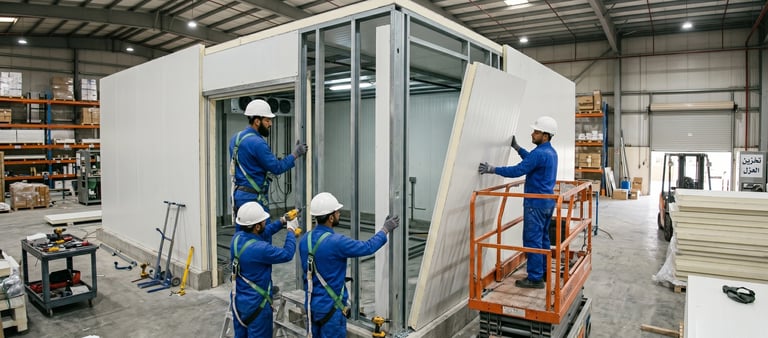
These services ensure maximum system reliability and operational efficiency.
Why Commercial Refrigeration is a Smart Investment
Investing in a high-quality commercial refrigeration system provides:
Better inventory protection.
Reduced product losses.
Improved operational efficiency.
Enhanced customer satisfaction.
Lower energy costs.
Greater equipment reliability.
Frequently Asked Questions (FAQ)
What is the difference between a cold room and a freezer room?
A cold room is used to store fresh products at temperatures above freezing, while a freezer room is designed for storing frozen products at temperatures below 0°C.
How often should commercial refrigeration systems be serviced?
Preventive maintenance is recommended every 3 to 6 months, depending on the level of usage and operational requirements.
Do modern refrigeration systems help reduce electricity consumption?
Yes. Modern refrigeration systems incorporate advanced technologies that improve energy efficiency, reduce power consumption, and lower operating costs.
Which industries require cold rooms in Saudi Arabia?
Cold rooms are widely used in supermarkets, restaurants, hotels, bakeries, food processing facilities, pharmaceutical warehouses, and food distribution centers across Saudi Arabia.
Conclusion
Commercial refrigeration systems are the backbone of supermarkets, restaurants, and food businesses. Choosing the right solution and working with experienced refrigeration specialists ensures product quality, operational efficiency, and long-term business success.
For businesses in Saudi Arabia, investing in advanced refrigeration equipment and professional services is a strategic decision that delivers lasting value and performance.
Do you need help choosing the right cold room or freezer room for your application?
Hassouna Refrigeration's team is available to provide technical consultation and help you select the ideal solution for your project.
© 2026 by HRC
This website is owned by : حسونة للتبريد
Contact Information
